
Every summer, a familiar sight takes over Italian highways and country roads: yellow Dutch license plates.
The Dutch have a well-documented love affair with Italy. Because they love traveling by car, their vacations often end with trunks packed full of culinary memories, a bottle of olive oil from a tiny specialized shop, or a prized bottle of wine discovered during a passionate degustazione at a family-run organic winery. Back home in the Netherlands, opening that bottle isn’t just about having a drink. It is about reliving a specific memory, a feeling, a place, and a story.
For Italian wineries looking to enter or grow in the Dutch market, tapping into that emotional connection may provide the ultimate competitive advantage.
In Episode 2809 of the Italian Wine Podcast, host Karlijn Tiemersma sat down with Arnoud Zuijdendorp, director of the prominent Dutch food and beverage importer NOVITALIA, to unpack how Italian wine culture is evolving in the Netherlands—and why great wine alone is no longer enough to win over Dutch consumers.
The Shift to “Drinking Less, Enjoying More”
For over 25 years, NOVITALIA has been bringing authentic Italian food and beverages to Dutch hotels, restaurants, catering businesses, and retailers, with a rapidly growing focus on wine over the past five years. When Arnoud scouts new wineries—whether directly or while walking the halls of Vinitaly—taste and regional representation are essential, but they aren’t the deciding factors.
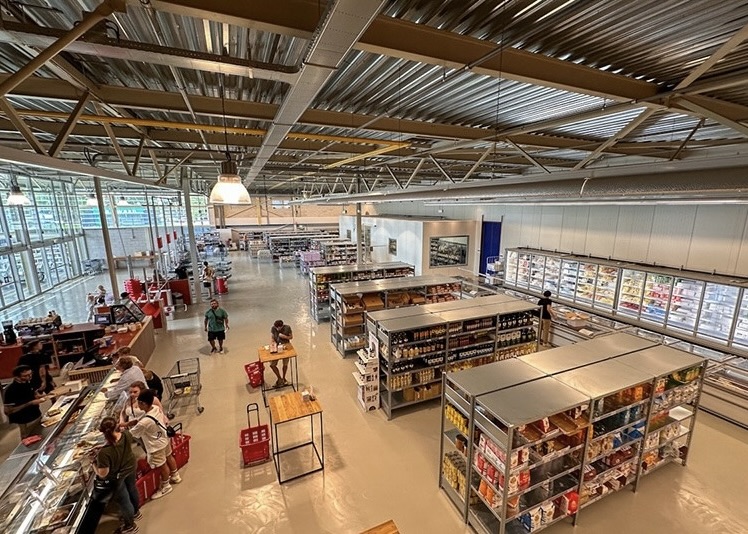
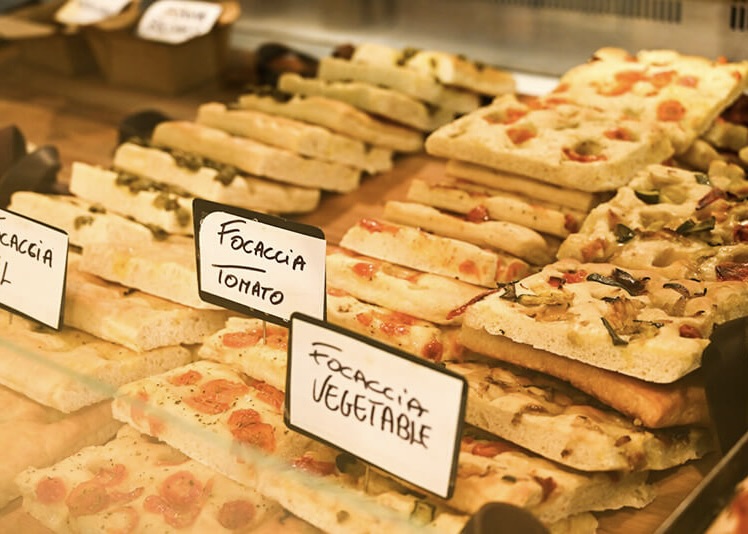
“Many times, a big part of the decision is also driven by heritage and family. We really find it important to understand the connection with the winery or the family, and the story behind it.” — Arnoud Zuijdendorp
That storytelling has never been more critical. According to Arnoud, the Dutch consumer market is undergoing a fundamental shift. Overall alcohol consumption is declining in volume, replaced by a more mindful, quality-driven approach.
Historically, Dutch drinking habits leaned toward volume. Today, consumers are adopting a distinctly Italian mindset: pairing wine with food, sharing an aperitif with friends, and investing in a single, better bottle rather than buying multiples. They are more curious about how products are made and eager to connect with the experience behind the label.
The Hospitality Bottleneck: Breaking Free from the “Safe” List
While Dutch diners are hungry for discovery, a major roadblock often stands between an extraordinary Italian wine and the restaurant table: the hospitality staffing crisis. Because Dutch restaurants are navigating severe staff shortages and a constant push for efficiency, servers rarely have the time to stand tableside and guide guests through complex food-and-wine pairings. When pressed for time, restaurants default to what is safe and familiar.
“Italian restaurants in the Netherlands, or Dutch restaurant owners, often choose five whites and three or five reds, starting with the most famous grapes first. Unfortunately, many times you end up staying with Sauvignon Blanc, Chardonnay, and Nero d’Avola because they are reliable in taste.” — Arnoud Zuijdendorp
Italy boasts an unmatched treasure trove of indigenous grape varieties and regional traditions. Yet, when consumers are spending their money more consciously, convincing them to gamble on an unfamiliar grape requires more than technical tasting notes about acidity, structure, and tannins.
A great bottle of wine only succeeds when its essence is translated down the entire chain—from the winemaker to the importer, from the importer to the restaurateur, and finally to the server who makes the guest feel something special at the table.
Completing the Circle of La Dolce Vita
When food, wine, and storytelling come together seamlessly, they create a miniature dolce vita experience right at the restaurant table. There is a massive potential in Italian wineries joining forces with Italian food producers and regional tourism boards to “comb(w)ine” their strengths.
Think of how the cycle works: A bottle of wine purchased on vacation brings memories of Italy to a Dutch living room. Conversely, an unforgettable, story-driven glass of indigenous Italian wine enjoyed in an Amsterdam or Utrecht restaurant can inspire a diner’s next summer road trip to Italy.
6 Takeaways for Italian Wineries Eyeing the Dutch Market
If you are an Italian producer looking to build lasting success in the Netherlands, getting onto a wine list is just step one. Here is how to make sure your bottles actually move off the shelf and onto the table:
- Think beyond the bottle: Equip your importer with a 360-degree flow of information. Give them concise, engaging stories and talking points that they can easily pass along to busy sommeliers and waitstaff.
- Let your visuals translate the feeling: Move past sterile bottle shots. Share photos and videos of the people, the family, the local food, and the everyday moments that bring your winery to life.
- Invite the trade into your world: Host your importer—and ideally some of their top restaurant clients—at your cantina. Experiencing your hospitality firsthand turns buyers into passionate brand ambassadors.
- Lean into authenticity over big budgets: You don’t need a massive marketing spend to stand out. The rising Dutch demand for organic production, purity, and genuine family heritage gives boutique wineries a distinct edge—provided you partner with the right communicators.
- Be ready to discuss exclusivity: For many Dutch importers, having exclusive distribution rights is key to justifying the time and effort required to build a brand. Come to the table prepared to discuss what you can offer.
- Combine your strengths: Partner with local food artisans, neighboring wineries, or regional consortia when approaching the Dutch market. Selling a complete cultural and culinary experience is far more compelling than selling a standalone bottle.
Want to dive deeper into the Dutch wine market? Listen to the Full Conversation with Arnoud Zuijdendorp:
Listen to Episode 2809 on Italian Wine Podcast
About the Author
Karlijn Tiemersma is a Dutch freelance marketing strategist and creative professional with a passion for Italian wine, food and culture. With a background in brand strategy, storytelling, content creation and experiential marketing, she helps translate ideas and authentic stories into meaningful connections with audiences. Combining her understanding of Dutch consumer behaviour with her love for Italy, Karlijn explores how Italian wine and food producers can strengthen their positioning, communicate their identity and connect more effectively with the Dutch market. She is part of the Italian Wine Ambassador community and enjoys bringing together people, cultures and commercial opportunities through creative marketing and storytelling.

Connect: www.karlijntiemersma.nl